Skip to content
Top Picks
1. Odor Control & Hygienic Benefits
Someone asked us, “Why choose a stainless steel litter box?” One of the biggest draws of stainless steel over plastic is that it doesn’t absorb odors or stains the way plastic does. Many cat owners report that plastic litter boxes gradually “hold” the smell of urine and waste even after cleaning. Stainless steel is nonporous, so it resists retaining residues and is easier to sanitize.
2. Durability & Longevity
Stainless steel is far more durable than plastic. It resists cracking, warping, and degradation due to cleaners or cats scratching. As one review says: “These boxes are highly durable … need not be replaced as frequently as plastic boxes.” Over time, that durability can make it a cost-effective choice.
3. Easier to Clean
Because stainless steel is smooth and nonstick, waste or litter is less likely to adhere to corners or edges. Many owners say that scooping and wiping are simpler and faster than with plastic.
4. Better Sanitation & Bacterial Resistance
Stainless steel can be cleaned more aggressively (e.g. with disinfectants) without fear of degrading the surface or causing microcracks. That helps maintain a more hygienic environment, especially in multi-cat households.
5. Aesthetic & Minimalism
A stainless steel litter box can look sleek and modern. It can blend better into a room, especially in homes with a modern decor.
Potential Drawbacks & Things to Be Aware Of
No product is perfect. Here are some cons and tradeoffs:
- Amplified noise: Steel is more resonant than plastic, so the sound of litter or claws can be louder. Business Insider notes this is a downside to metal pans.
- Weight: Metal boxes—especially larger ones—can be heavier and more cumbersome to move, especially when full of litter.
- Rust or corrosion risk: Not all “stainless steel” is equally resistant. If any part (or weld) is less well finished or gets exposed to harsh cleanings or salt, rusting may appear over time. Some users report early rust in corners.
- Cost: The upfront cost is usually much higher than a plastic box.
- Entry height: Some metal boxes have high walls, which can be difficult for older or arthritic cats to climb into.
- Thermal conduction: Steel can feel cold to the touch in cooler climates or environments.
Because of these tradeoffs, it’s important to choose wisely and monitor wear and tear.
What to Look For: Buying Guide & Features
When choosing a stainless steel cat litter box, keep an eye on these features to ensure it meets your needs:
1. Gauge & Steel Quality
Look for thicker gauge steel (e.g. 16- to 20-gauge) and 304 or 316 stainless (higher corrosion resistance). Thin metal will dent or deform more easily.
2. Seamless Construction / Weld Quality
Boxes with smooth welds or minimal seams are easier to clean and less likely to trap waste or promote rust.
3. High Walls or Covers
High walls or covered designs help contain litter scatter and prevent urine splash. But make sure your cat can still comfortably access it. Some designs allow removing the lid or cover for easier entry.
4. Non-Slip Base
Feet or pads that prevent sliding are useful, especially on slippery floors.
5. Accessories: Scoops, Liners, Mats
Boxes that include (or accommodate) stainless scoops, litter mats, or liners can simplify cleanup. Also, some boxes are designed for use without liners (since the steel surface is easy to clean).
6. Size / Room for Movement
The general rule: the box should be at least 1.5× the length of your cat from nose to tail. For multiple cats, larger or multiple boxes are needed.
7. Ease of Disassembly
Boxes that allow you to remove covers, lift lids, or separate sections make cleaning, washing, and disinfecting easier.
8. Warranty & Brand Support
Because this is a higher-end investment, choosing a brand that stands behind its product is wise.
If you’re also looking to give your cat more enrichment and vertical space, check out our guide to the best cat trees on Amazon for 2025.
How to Clean and Maintain a Stainless Steel Litter Box
Keeping your stainless steel box in pristine condition ensures longevity and hygiene. Here’s a routine:
- Daily scooping — Remove solid waste daily. This prevents accumulation that may cling over time.
- Weekly rinse & wipe — Use warm water and a mild dish soap. Avoid abrasive pads that can scratch the surface.
- Monthly deep clean / disinfect — Use a cat-safe disinfectant or diluted bleach (followed by thorough rinsing) to kill bacteria. Ensure all parts dry completely to avoid rust.
- Inspect welds and crevices — Occasionally check for any corrosion or buildup around seams.
- Avoid harsh chemicals — Don’t use chlorine gas, strong acids, or sodium hydroxide cleaners directly. These can degrade finish over time.
- Dry thoroughly — After washing, either air dry fully or wipe dry. Moisture left behind can contribute to corrosion over time.
- Buffing polish (optional) — A food-grade stainless polish or mineral oil can help restore shine and reduce water spots.
Real-World Experience & What Users Are Saying
- On Reddit, one cat owner said: “I find the stainless steel has less odor and cat litter is more absorbent. My plastic trays seem to have urine stains embedded in the tray.”
- On review blogs, stainless steel is praised for durability, odor resistance, and ease of cleaning.
- In a test by People magazine, the “iPrimio Enclosed Sides Stainless Steel Cat XL Litter Box” was named best value in their roundup, citing its odor control, sleek design, and usability.
- One downside mentioned by Business Insider: “The downside of a stainless steel litter box is that it amplifies sound, which can be off-putting for noise-sensitive cats and people alike.”
These echoed experiences largely support the idea that although stainless steel requires higher investment, many cat owners find the benefits outweigh the costs—especially when cleanliness and odor control matter.
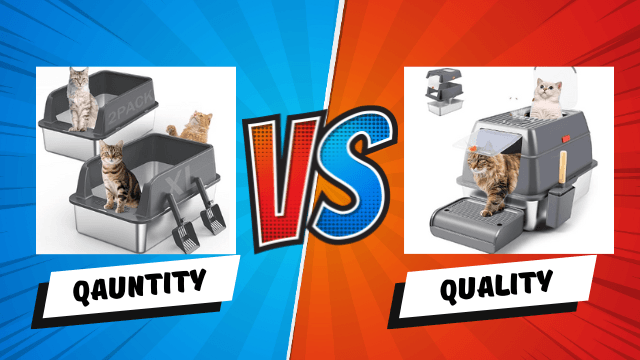
2 Strong Product Picks
Below are three stainless steel or steel-alloy cat litter boxes that are solid choices. You can link to these via your Amazon affiliate links (if they are available there or equivalents).
Mixjoy 2-Pack Stainless Steel Cat Litter Box
A sleek, low-profile stainless steel pan that’s rust-resistant and easy to clean. It’s good for cats who don’t need very tall walls but still want the benefits of steel.
Bartuke Stainless Steel Cat LItter Box
A higher-walled option with a filtering pedal to reduce litter tracking. Ideal for larger or messier cats, this model helps contain both scatter and splash.
You can link each to its Amazon (or equivalent) listing using your affiliate URL so readers can click and purchase.
Tips for Transitioning Your Cat to a Metal Litter Box
Switching from plastic to metal may require some adjustment:
- Introduce gradually — Place the metal box near the old one. Let the cat sniff and explore before forcing use.
- Use praised litter — Fill with litter your cat already likes so the new box seems familiar.
- Positive reinforcement — Reward them with treats or petting when they use the metal box.
- Keep the old one for backup — For a week or two, have both until the cat habituates.
- Watch for refusal — If your cat stops using it, check entry height, litter texture, or footing.
Bathroom Setup & Location Tips
- Place the box in a low-traffic but somewhat private area.
- Provide at least one box more than the number of cats (e.g. 2 cats → 3 boxes).
- Pair with a good litter mat to catch tracked litter.
- Ensure enough room on all sides so the cat can move freely.
Maintenance & Troubleshooting Common Issues
Issue: Rust appearing
Solution: Ensure drying, avoid harsh chemicals, address weak welds, or touch up with food-safe polish.
Issue: Cat avoids box
Solution: Review entry height, litter type, location. Some cats dislike cold metal: adding a removable mat or liner for comfort helps.
Issue: Noise or startling sounds
Solution: Add a soft liner or place anti-skid pad underneath. Use quieter litter granules.
Issue: Urine leaks out
Solution: Check seams, coverage, and how the cat aims. A higher wall or splash guard may help.
Lifespan & ROI
Because of their durability, a good stainless steel litter box can last many years—far beyond what plastic versions do. Over time, the cost per year may actually be lower, especially factoring in fewer replacements and better odor control (i.e., potentially less “lost” cat care costs or room cleanup).
Also, switching to steel might reduce your need for heavy cleaning products or odor control sprays, which further adds long-term value.
When a Stainless Steel Box Might Not Be the Best Option
- If your cat has mobility issues or arthritis (entry height issues).
- If your living space is extremely cold or drafts make metal uncomfortably cold to step on.
- If your cats are extremely sensitive to noise.
- If your budget is very tight—some metal boxes are expensive.
- If you’re caring for kittens or very small cats where a low-entry box might be safer.
In such cases, a plastic or hybrid solution (metal base + plastic walls) might be a better compromise.
Final Thoughts & How to Choose the Right One
Stainless steel litter boxes offer strong advantages in odor control, durability, and sanitation. While the upfront investment is higher, many cat owners find them to be a worthwhile long-term upgrade.
To choose wisely:
Transition gently and maintain regularly.
Assess your cat (size, behavior, mobility).
Decide on needed wall height or enclosure.
Choose a model with good welds, non-slip base, and ease of cleaning.
Table of Contents
- Top Picks
- Potential Drawbacks & Things to Be Aware Of
- What to Look For: Buying Guide & Features
- 1. Gauge & Steel Quality
- 2. Seamless Construction / Weld Quality
- 3. High Walls or Covers
- 4. Non-Slip Base
- 5. Accessories: Scoops, Liners, Mats
- 6. Size / Room for Movement
- 7. Ease of Disassembly
- 8. Warranty & Brand Support
- If you’re also looking to give your cat more enrichment and vertical space, check out our guide to the best cat trees on Amazon for 2025.
- How to Clean and Maintain a Stainless Steel Litter Box
- Real-World Experience & What Users Are Saying
- 2 Strong Product Picks
- Tips for Transitioning Your Cat to a Metal Litter Box
- Bathroom Setup & Location Tips
- Maintenance & Troubleshooting Common Issues
- Lifespan & ROI
- When a Stainless Steel Box Might Not Be the Best Option
- Final Thoughts & How to Choose the Right One
- Check Out My YouTube