Skip to content

What Is TNR and Why It Matters
Trap-Neuter-Return (TNR) is a humane method used to manage populations of free-roaming, feral, and stray cats. The basic process involves trapping cats, getting them spayed or neutered (and usually vaccinated and eartipped), and then returning them to their outdoor territory. TNR helps reduce unwanted litters, fighting, spraying, disease transmission, and often improves the overall health and longevity of community cats. Alley Cat Allies+2Neighborhood Cats+2
Steps: How to Start TNR
Below is a step-by-step roadmap so you know exactly what to do from planning to follow-up.
| Step | What to Do | Key Tips |
|---|---|---|
| 1. Research & Planning | Learn local laws/regulations about free-roaming cats. Identify resources: clinics, volunteers, supplies. Collect baseline info: how many cats, where, how often they feed, etc. Alley Cat Allies+2TNR Texas+2 | Build partnerships (neighbors, local animal shelters), map the colony location, estimate cost. |
| 2. Engage the Community | Talk with neighbors, caretakers. Inform them about the benefits of TNR. Get buy-in. Neighborhood Cats+1 | Having local support often reduces resistance, helps with feeding, monitoring, and trapping. |
| 3. Establish Feeding & Monitoring Routine | Feed at set times & places so cats know you’re there. Monitor health, count cats, note behaviors. Neighborhood Cats+1 | Helps you track which cats are new, which may already be sterilized (look for eartip), and which are trap-shy. |
| 4. Get the Right Gear & Veterinary Resources | Humane live traps, trap covers, vehicle for transport, recovery area. Find vet clinics experienced with TNR and cats. Alley Cat Allies+2ASPCA Pro+2 | Ensure clinic policies align (eartipping, pain management, flexibility for unpredictable trapping numbers). |
| 5. Trapping & Transport | Try “acclimation”: leave unset traps so cats get used to them; bait traps; trap early morning; cover traps after capture. Transport safely. Alley Cat Allies+1 | Do not leave traps unattended; check traps often; cover traps to reduce stress; keep cats warm or cool depending on weather. |
| 6. Surgery & Post-Op Care | Spay/neuter, vaccinate, eartip. After surgery, hold the cat in a safe quiet place to recover. Monitor for complications. Alley Cat Allies+1 | Use vet-recommended pain meds; ensure proper hydration; clean and safe recovery area; feed after vet gives OK. |
| 7. Return & Long-Term Care | Return to the same territory. Continue feeding schedule. Monitor for new cats. Repeat TNR as needed until population stabilizes. Alley Cat Allies+1 | Keep records; educate community; sometimes trap new arrivals. |
Common Challenges and Solutions
- Trap-shy cats: Use drop traps, or set traps in stages (unset first).
- Veterinary cost: Seek low-cost spay/neuter clinics or subsidized programs.
- Legal/regulation hurdles: Do your homework; many places have existing TNR ordinances or humane animal control guidelines.
- Post-operative complications: Always follow vet instructions; keep recovery area clean, quiet; monitor for signs of infection.
Essential Gear: 3 Amazon Products You’ll Likely Need
Here are three pieces of gear often used in TNR work. You’ll want items that are humane, reliable, and safe for both cats and rescuers.
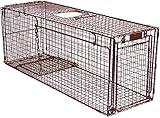
- Humane Live Trap – The Tru Catch 30LTD Humane Live Animal Trap is great for cats, rabbits and small animals. Long enough that the cat must go all the way in to trigger the trap, which helps reduce escapes. Tru Catch 30LTD Humane Live Animal Trap

Drop Trap Option – For especially wary/trap-shy cats, a drop trap like the Tomahawk Neighborhood Cats Drop Trap can be extremely useful. It lets you cover an area and drop the net when cats are under it. Tomahawk Neighborhood Cats Drop Trap

Recovery/Pen Playpen – After surgery, cats need a safe, confined space to recover. The LUCKITTY Portable Cat Playpen, Delivery Room Enclosure gives enough room and comfort for rest without allowing excessive activity. LUCKITTY Portable Cat Playpen Recovery Enclosure
Summary
Starting a TNR program takes planning, compassion, and consistent effort. But it’s one of the most effective humane ways to help community cats, reduce overpopulation, and improve public health. If you:
- Do your homework (community, legal, veterinary),
- Get the right gear and support,
- Trap safely,
- Provide good surgery and recovery,
- Return and monitor,
… you’ll be well on your way to making a positive impact. And the gear I listed will help make the process safer and more efficient.
Frequently Asked Questions (FAQs)
1. Is TNR legal?
It depends on your location. Many cities/counties permit or even support TNR, but some have restrictions. Always check local animal control, ordinances, or regulations.
2. How do I find a low-cost spay/neuter clinic?
Contact local shelters, rescue groups, humane societies—they often have vouchers or discounted rates for community cats. Some states or regions offer grant funding for TNR.
3. What about kittens vs feral adults?
Very young kittens (often under ~8-12 weeks, depending on weight and health) are more socializable and sometimes better suited for adoption. Feral adults are generally returned to their territories after surgery. feralatheart.org+1
4. How long should cats stay in recovery after surgery?
Typically ~24 hours or until the vet approves. Some clinics may require longer depending on the cat’s health. Ensure a quiet, clean, warm place for recovery. Michelson Found Animals+1
5. What to feed cats during recovery?
Soft foods are easier immediately after surgery. Provide water. Follow any instructions from the vet about timing (some vets recommend delaying feeding for a few hours post-anesthesia). Always ensure food is clean.
6. How do I know if a cat is already spayed/neutered?
Look for an eartip (a small notch or tip off the left ear is common standard). Also check veterinary records or markings. Sometimes cats carry signs but no records. Monitoring helps. Alley Cat Allies+1